
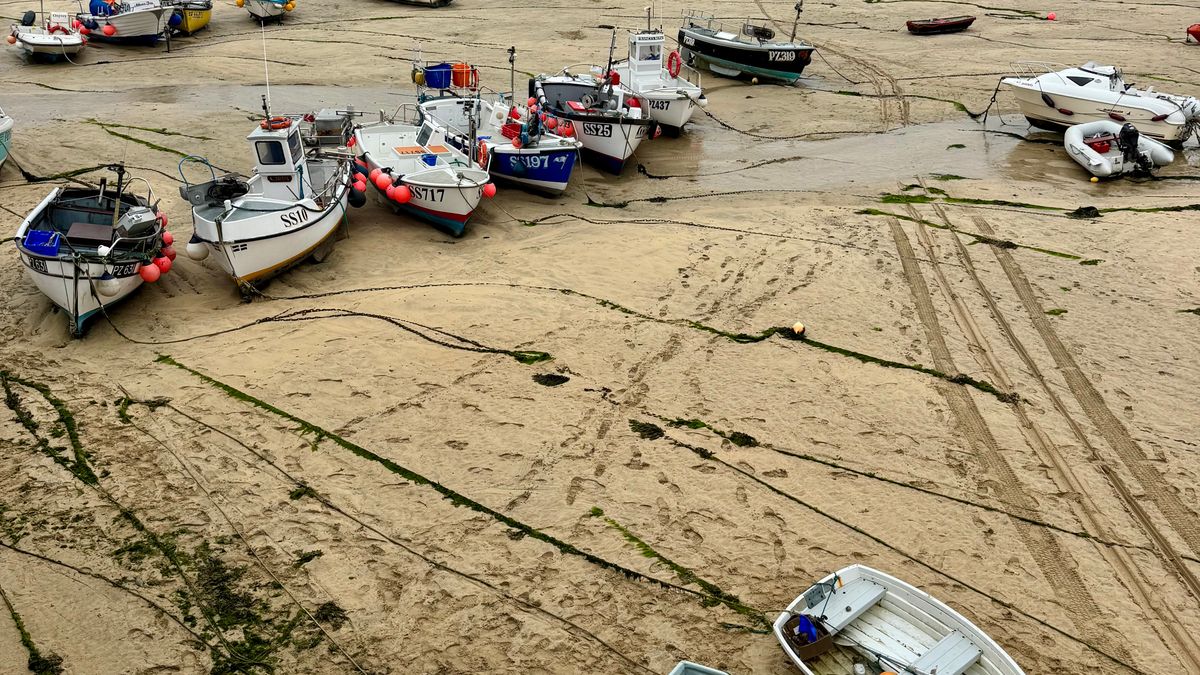
A week of hotel stays can quietly undo a year of good habits at home. Towels laundered daily even when they were never used, breakfast buffets that over-cater, bottled water lined up on every desk, heating left running with the window open. None of it is done out of carelessness — it is simply how the industry has always operated. The encouraging news is that a growing number of British hotels, and Cornish ones in particular, are rewiring those routines deliberately.
As a guest, you get to vote with your booking. Choose the properties doing the work and you nudge the rest of the market along; ignore it entirely and the incentives never shift. Cornwall is a particularly good place to practise this. Its hospitality economy rests on the very things visitors come to see — moorland, coastline, working harbours — so sustainability here is less a marketing angle than enlightened self-interest.
Green claims are easy to make and notoriously hard to verify. Rather than hunting for logos, ask a handful of direct questions when you enquire. Any hotel that genuinely cares will answer cheerfully, and the ones that dodge tend to reveal plenty.
Two honest answers to those will tell you more than a page of policy wording on a website.
Nobody books a short break in order to ration themselves, and a genuinely sustainable stay should not feel like camping indoors. The trick is to treat the room as you would your own home, while making use of the systems the hotel has put in place.
These are small gestures, but housekeeping teams notice, and managers count. Repeat bookings from guests who clearly care are one of the strongest arguments for investing further.
Food miles matter, but so does where the money lands. A hotel kitchen buying from within a twenty-mile radius is supporting farmers, fishermen and growers who keep Cornish landscapes working rather than merely picturesque. Look for menus that name the source: day-boat fish landed at Newlyn or Padstow, cheeses made on farms near Bodmin, hand-rolled pasties, saffron buns, orchard cider pressed outside Truro, and sparkling wine from the sheltered slopes above the Camel estuary.
Ask about provenance — good servers love the question. Seasonal menus are a reliable clue, as are dishes that change weekly or sell out by nine o'clock. Off-season, expect root vegetables, brassicas, mussels and game rather than imported greens, and enjoy it: that is what the county actually tastes like in February.
Transport is usually the largest slice of a holiday's carbon footprint, so it deserves more thought than the room itself. The mainline railway runs deep into Cornwall, with an overnight sleeper from the capital to Penzance, and scenic branch lines thread out to St Ives, Falmouth and the far west. Arriving by train and being met at the station is a genuinely relaxing way to start a break.
Once you are there, the coastal bus network, open-top seasonal services, ferries across the estuaries and the South West Coast Path make a car surprisingly optional. Many hotels will lend or hire out bicycles, arrange luggage transfers between villages, or point you towards car-free day trips. If you do drive, choose a smaller property with a charging point and use it as a base rather than touring daily.
Sustainability in travel is rarely about a single dramatic decision. It is a collection of modest ones: booking a hotel that refills water rather than shipping it in, eating fish caught that morning rather than flown in overnight, taking the branch line instead of the car, and mentioning at check-out that these things mattered to you.
That last point is more powerful than it sounds. Hotels respond to what guests praise, and a warm note in the visitor book or a quick word at reception gives a manager the evidence they need to justify the next investment — better insulation, a bigger kitchen garden, another charging point. Book well, travel lightly, and spend kindly, and your Cornish break will leave the county a little better than it found it.

Hi, my name is Anthony kuber. I am artist and fashion designer.
I love to travel and writing blogging.
Your email address will not be published. Required fields are marked *
Software Developer & Writer
Hey, I'm Diva, a developer and writer blending code and creativity. I'm driven by a deep curiosity and a relentless pursuit of excellence. Join me as I craft digital solutions and captivating stories.


