
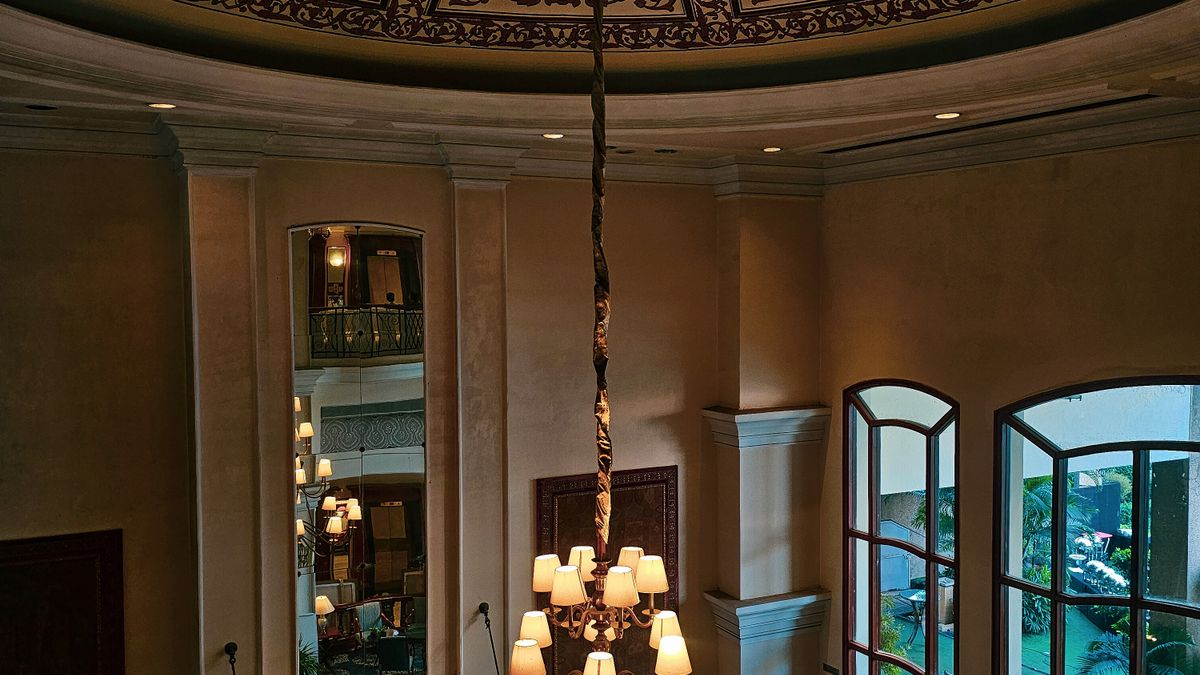
Afternoon tea is one of the loveliest traditions this country has given the world, and a hotel is arguably the best place to enjoy it. There is something deeply civilised about settling into a quiet lounge, watching a pot of tea being poured properly, and working your way through a tiered stand while the rain does its worst outside. The problem is that the traditional stand is built for display, not for appetite. Three tiers, a scone the size of your fist and a plate of petit fours can easily add up to a full day's calories before you have even thought about dinner.
The answer is not to refuse the whole thing — that would be a miserable way to spend an afternoon in Cornwall or anywhere else. The answer is to approach it with a bit of strategy, so you leave the table feeling content rather than defeated. Here is how to do it.
This is the single most effective decision you can make, and it costs nothing. A traditional afternoon tea for two is often enough food for three, sometimes four. If you are staying in a hotel with a partner, a friend or family, ask whether you can order one full tea and one lighter option — many places offer a "cream tea" of just scones and tea alongside the full works, which balances things beautifully.
If a shared stand is not an option, ask for a spare plate at the start and portion half of everything onto it before you begin. It sounds fussy; it works. What you do not eat from the top tier can usually be boxed up, and a slice of cake eaten later in your room while looking out over a Cornish harbour is arguably a better experience anyway.
Work from the bottom up, not the top down. The sandwich tier is the most filling in the healthy sense, and it is the one that will actually stop you feeling hungry an hour later. Choose the lighter fillings where you can: cucumber and cream cheese, smoked salmon, egg mayonnaise, ham and mustard, chicken with a little tarragon. Leave the heavy ones — sausage rolls, pastry parcels, anything deep-fried — or split them with your companion.
If a hotel offers a vegetarian or lighter version of the stand, take it. These are often built around crudités, hummus, small tartlets and open sandwiches, and they are usually far less heavy without being any less enjoyable.
The scone is the spiritual heart of the whole affair, and in Cornwall it comes with a serious question attached: jam first or cream first? The Cornish tradition is jam first, with a generous spoonful of clotted cream on top, and it is worth doing properly. But it is also worth doing in moderation. One scone, split and shared, with a sensible amount of cream, is a genuine pleasure. Two scones piled high is where most people come unstuck.
A few practical notes for anyone travelling in Cornwall:
Afternoon tea is designed to take time. A proper sitting should last ninety minutes, not thirty. The slower you eat, the sooner your body registers that it has had enough, and the more you will actually taste. Put your fork down between bites. Finish your mouthful before you reach for the next thing. Talk to whoever you are with.
The tea itself is your greatest ally here. A good loose-leaf second flush or a light Darjeeling cleanses the palate between sweet and savoury, and drinking a full pot alongside the food will help you feel satisfied sooner. Ask for a jug of water on the table too, and drink a glass before you start on the cakes. It sounds dull. It works remarkably well.
An afternoon tea is best treated as a main meal rather than a snack. If you have one booked for three o'clock, keep lunch genuinely light — soup, or a small salad, or nothing at all — and make dinner a late, simple affair: a bowl of something warm, or a plate of seafood if you are by the coast.
Better still, walk it off. This is where Cornwall earns its keep. Book your tea in a hotel near the coast and you have the South West Coast Path on the doorstep: an hour along the cliffs between St Ives and Zennor, a wander around the headland at Padstow, or a gentle potter between Falmouth and Pendennis Point. An hour of walking after a cream tea does more for how you feel than any amount of restraint at the table.
Done this way, afternoon tea stays what it should be — a genuine indulgence you look forward to, enjoy completely and remember fondly, rather than something you spend the rest of the evening regretting.

Hi, my name is Anthony kuber. I am artist and fashion designer.
I love to travel and writing blogging.
Your email address will not be published. Required fields are marked *
Software Developer & Writer
Hey, I'm Diva, a developer and writer blending code and creativity. I'm driven by a deep curiosity and a relentless pursuit of excellence. Join me as I craft digital solutions and captivating stories.


