
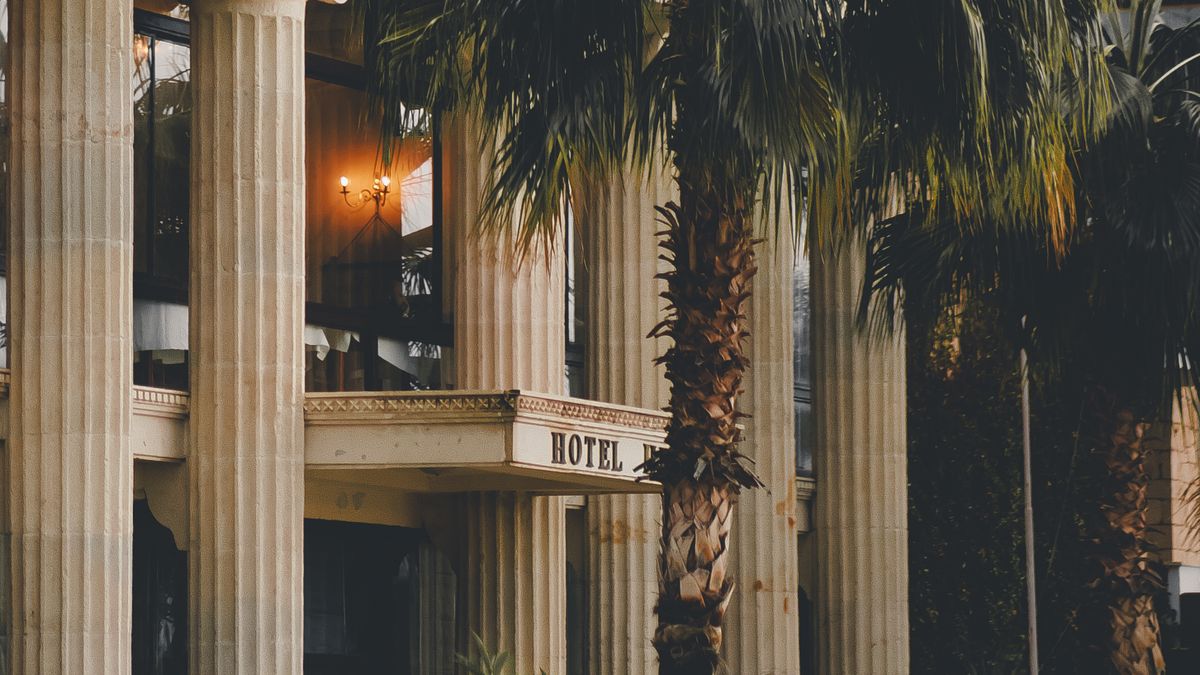
There is a particular kind of quiet you only find down a winding lane, somewhere past the last village sign. A spa break in the countryside works on a different rhythm to a city hotel. Instead of traffic and sirens, you get birdsong, the smell of wet grass after rain, and the sense that there is genuinely nowhere else you need to be. That shift matters more than most people realise. The first hour in a rural spa is often the most restorative, simply because your shoulders drop before you have even put on a robe.
Cornwall is especially good at this. The county's spa hotels tend to sit between moorland and coast, so a morning treatment can be followed by a clifftop walk and a plate of something local. If you are planning a restorative escape, a little forward planning goes a long way.
Every spa hotel has a glossy photograph of a pool at dusk. What you actually want to know is how the place feels at 4pm on a Tuesday. Before booking, look for clues that suggest genuine calm rather than a busy leisure club with a spa attached.
It is worth ringing reception rather than relying on the website alone. A two-minute conversation about when the spa is busiest will tell you more than any gallery of photographs.
This is the single most common mistake on a spa break. People book the room, picture themselves drifting into a treatment at some unspecified golden hour, and then discover that every therapist is fully booked for the weekend.
Popular slots go quickly, particularly Saturday afternoons, Sunday mornings and any date near a bank holiday. As soon as your accommodation is confirmed, book your treatments. If you are travelling as a couple or with a friend, say so at the time of booking and ask for adjoining rooms or back-to-back appointments, so nobody is left waiting for an hour and a half.
A few practical points:
The best spa breaks have soft edges. If you arrive at 6pm on Friday and leave at 10am on Sunday, you have barely given yourself a chance to settle. Where you can, aim to arrive by mid-afternoon and leave after lunch.
Use the first evening gently. A swim, a short spell in the sauna, an early dinner. Save the longer treatments for the following morning, when your body is rested and more receptive. Many people find that the second day of a spa break feels noticeably better than the first, purely because they have stopped mentally running through their to-do list.
Keep your phone in the room. If that feels unrealistic, at least leave it in your bag while you are in the thermal suite. The quiet rooms are quiet for a reason, and a screen is the fastest way to break the spell.
A spa break in Cornwall gives you something most inland spas cannot: the coast. Even a thirty-minute walk along a footpath before your treatment will improve how the day feels. Sea air, gentle hills and the sound of waves do a great deal of quiet work.
Hydration, sleep and pacing will do more for you than any single treatment. Drink water steadily through the day, particularly if you are using a sauna or steam room. Eat lightly before a treatment but not so lightly that you are hungry during it. And resist the urge to schedule everything. A spa break with three treatments, two walks and a long lunch is usually less restorative than one with a single treatment and a great deal of nothing.
Finally, take the feeling home with you. The point of a countryside spa break is not just the two days themselves, but the reminder of how you feel when you are unhurried. Ten minutes of quiet, a proper night's sleep and a walk without a destination are all available at home. Cornwall simply makes them easier to remember.

Hi, my name is Anthony kuber. I am artist and fashion designer.
I love to travel and writing blogging.
Your email address will not be published. Required fields are marked *
Software Developer & Writer
Hey, I'm Diva, a developer and writer blending code and creativity. I'm driven by a deep curiosity and a relentless pursuit of excellence. Join me as I craft digital solutions and captivating stories.


